By David Polo
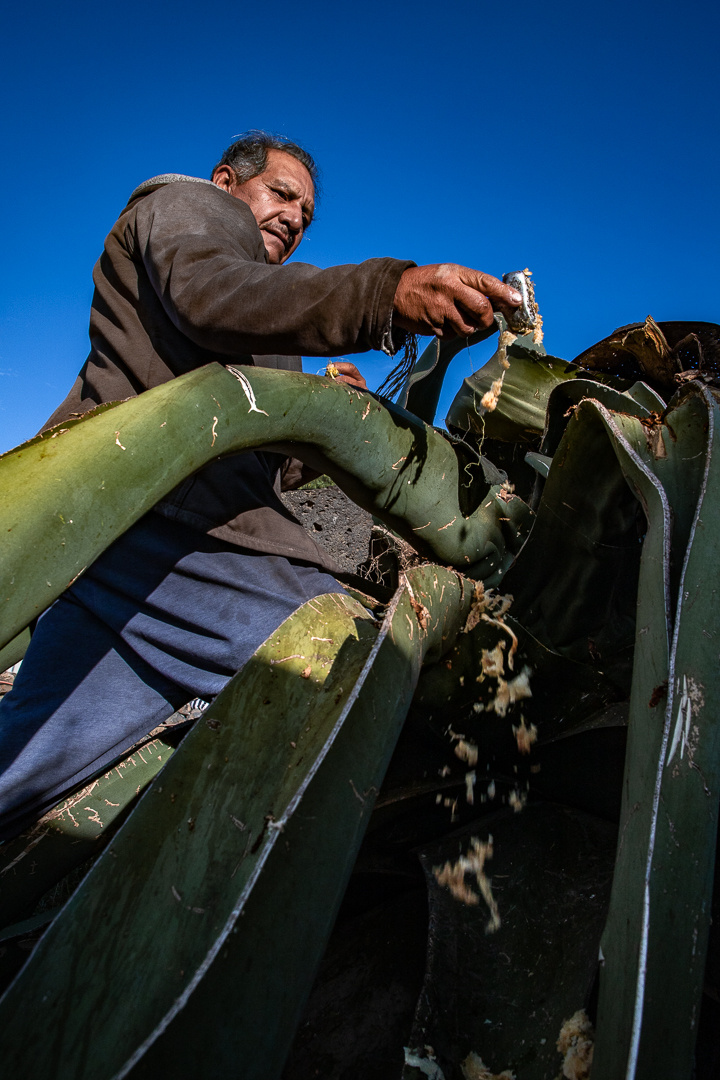
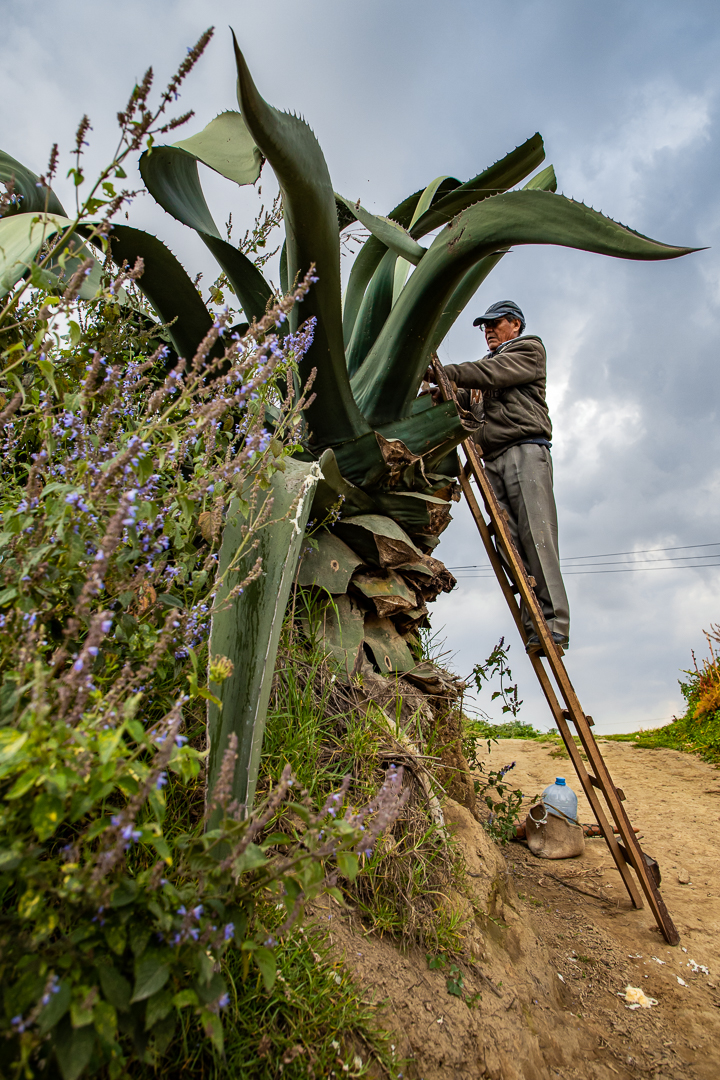
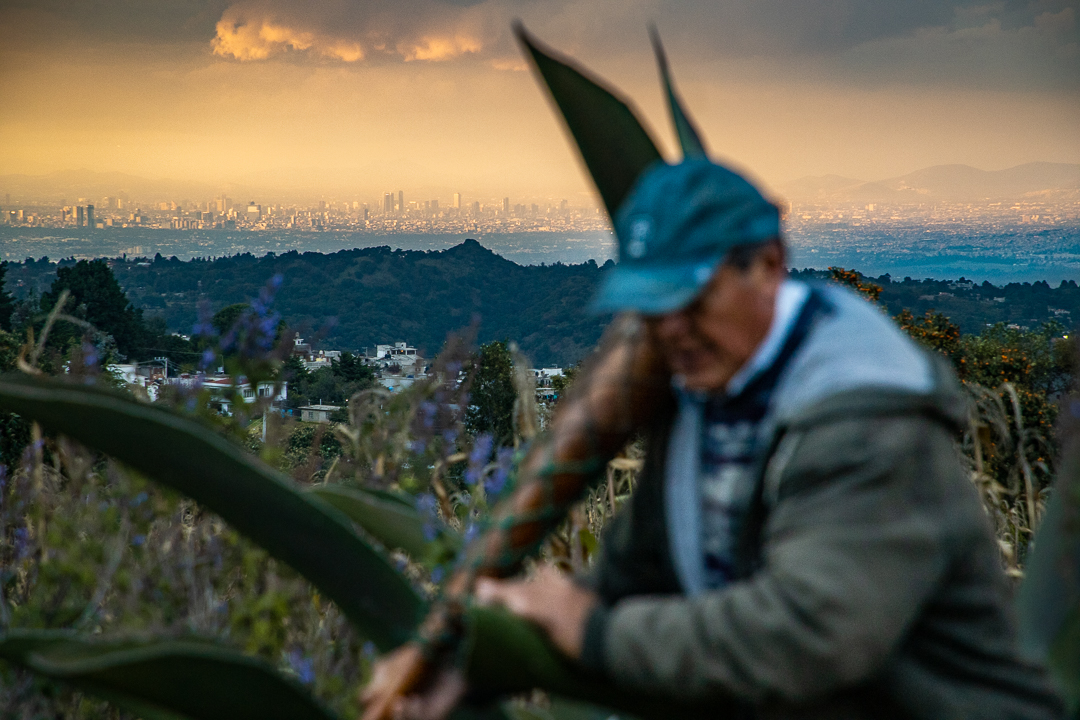
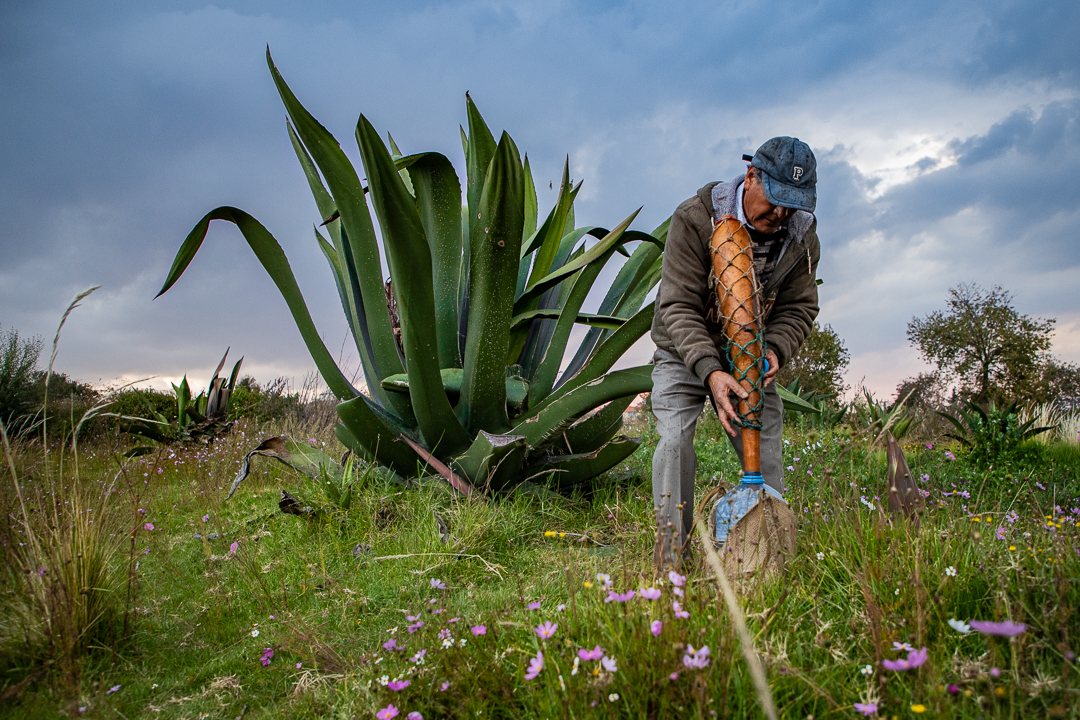
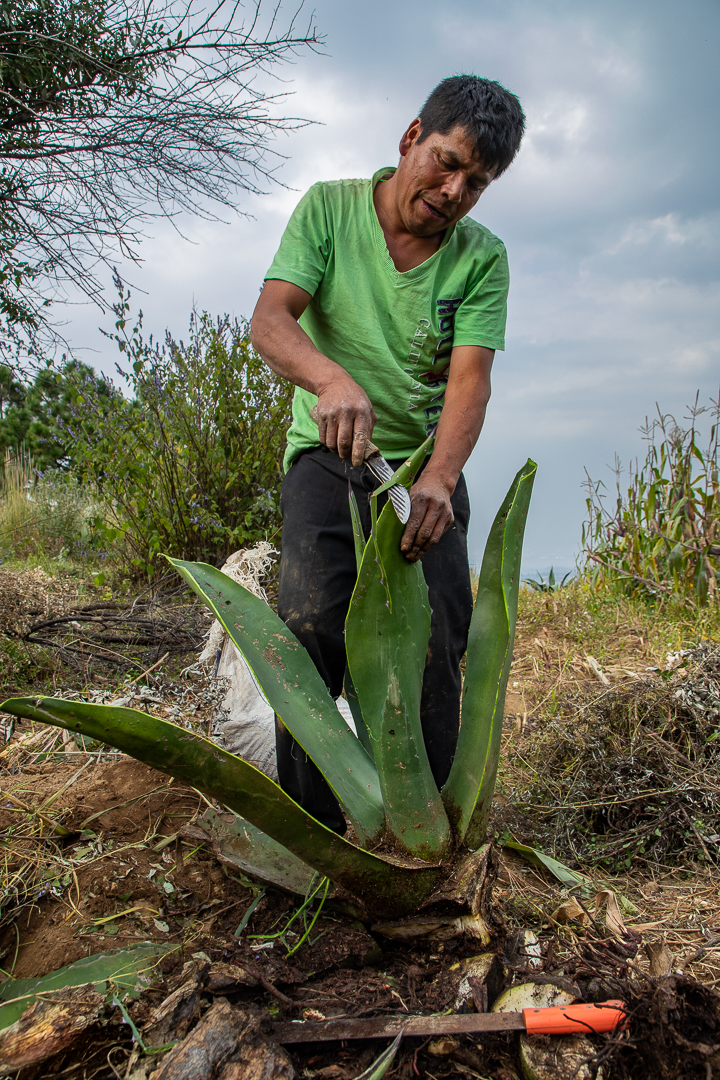
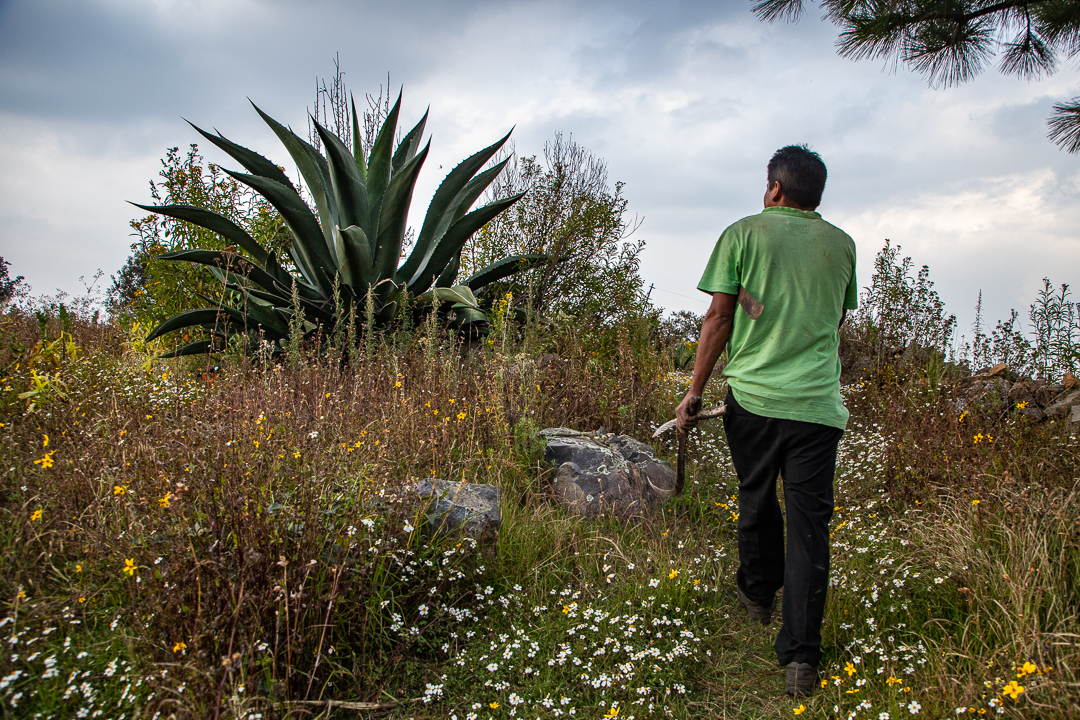
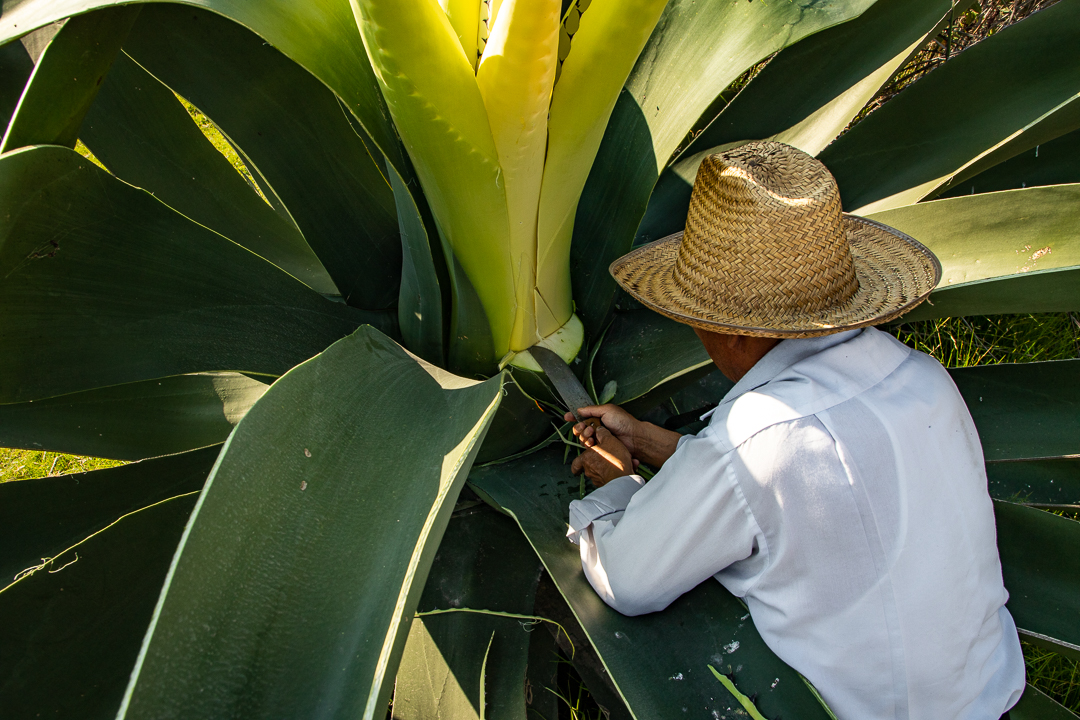
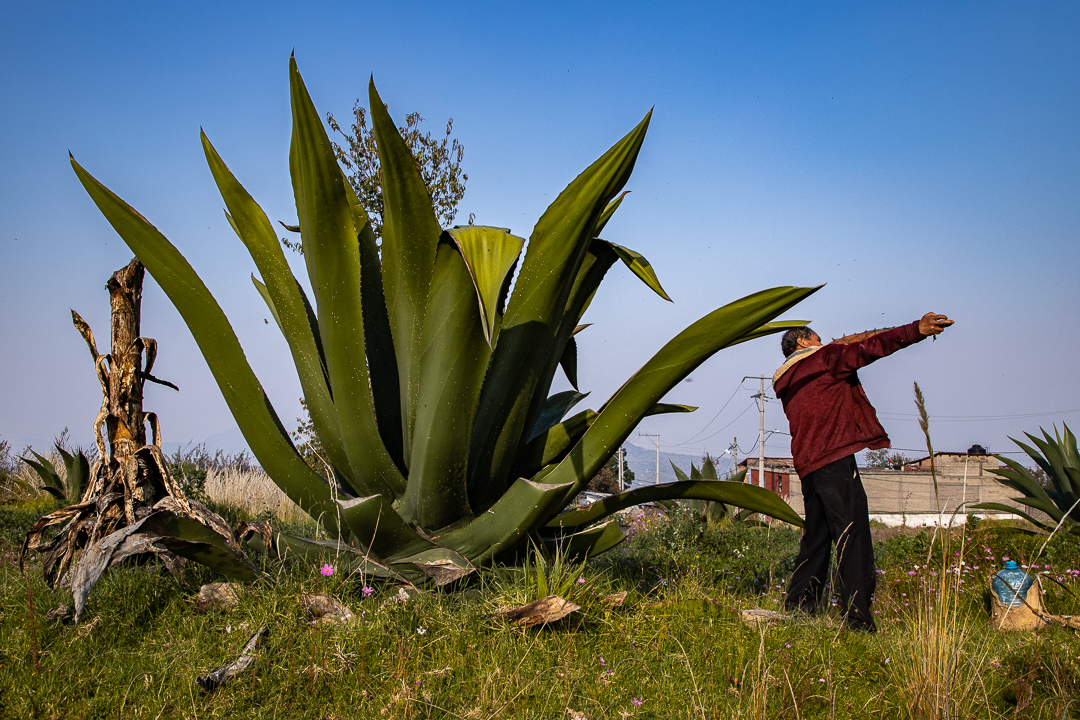
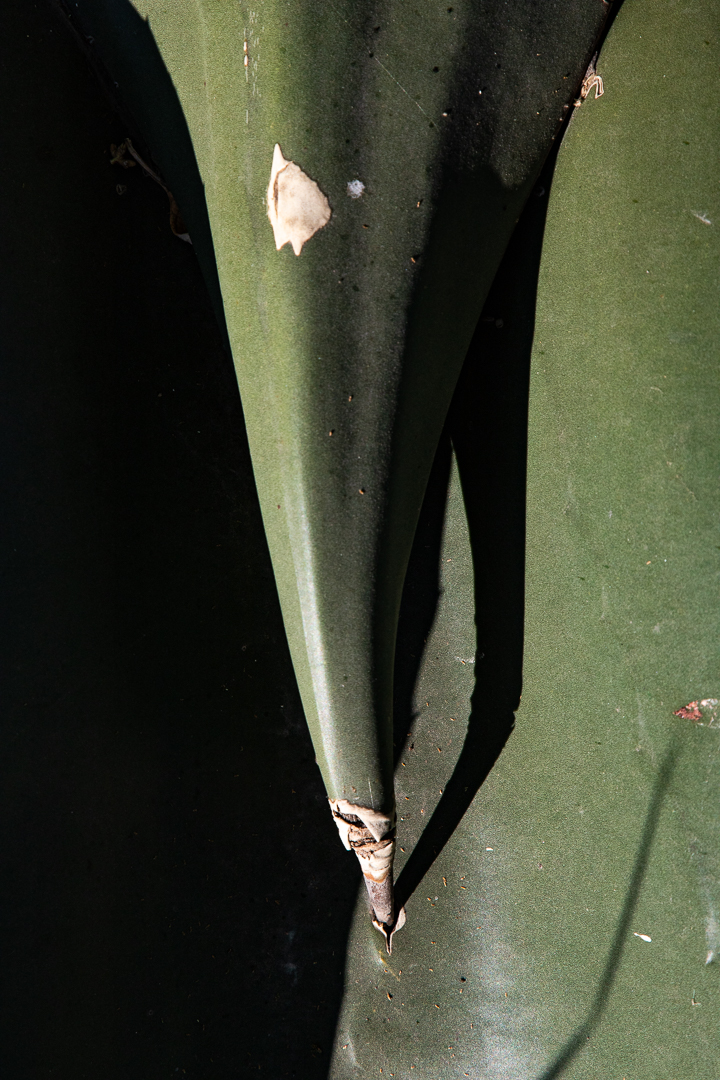
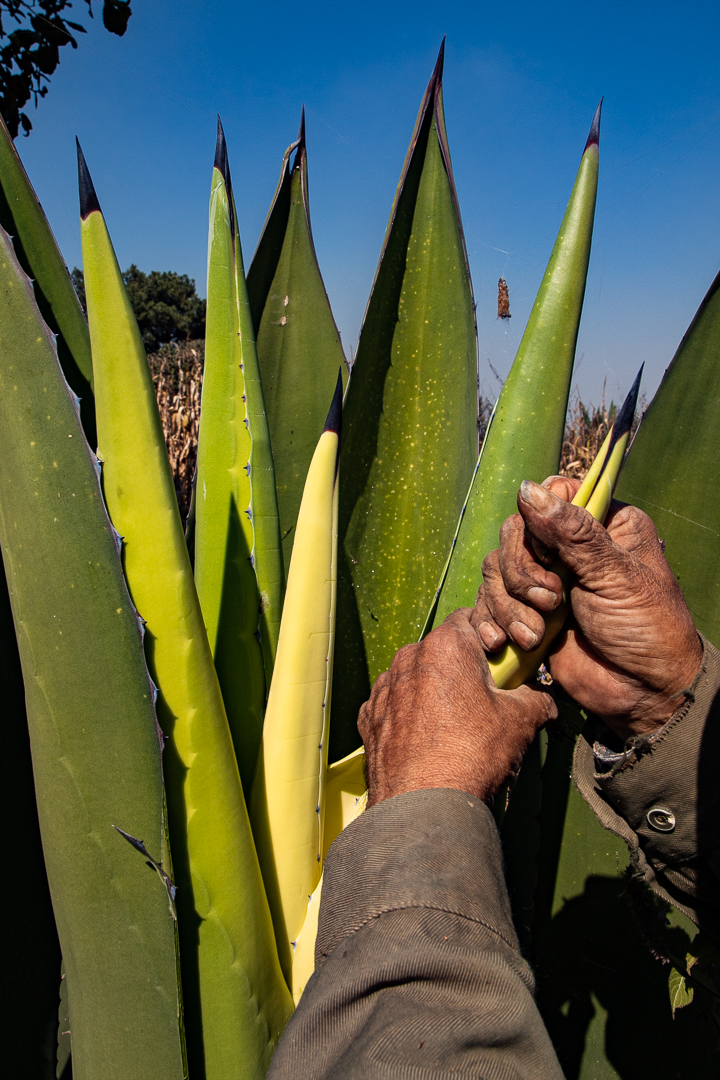
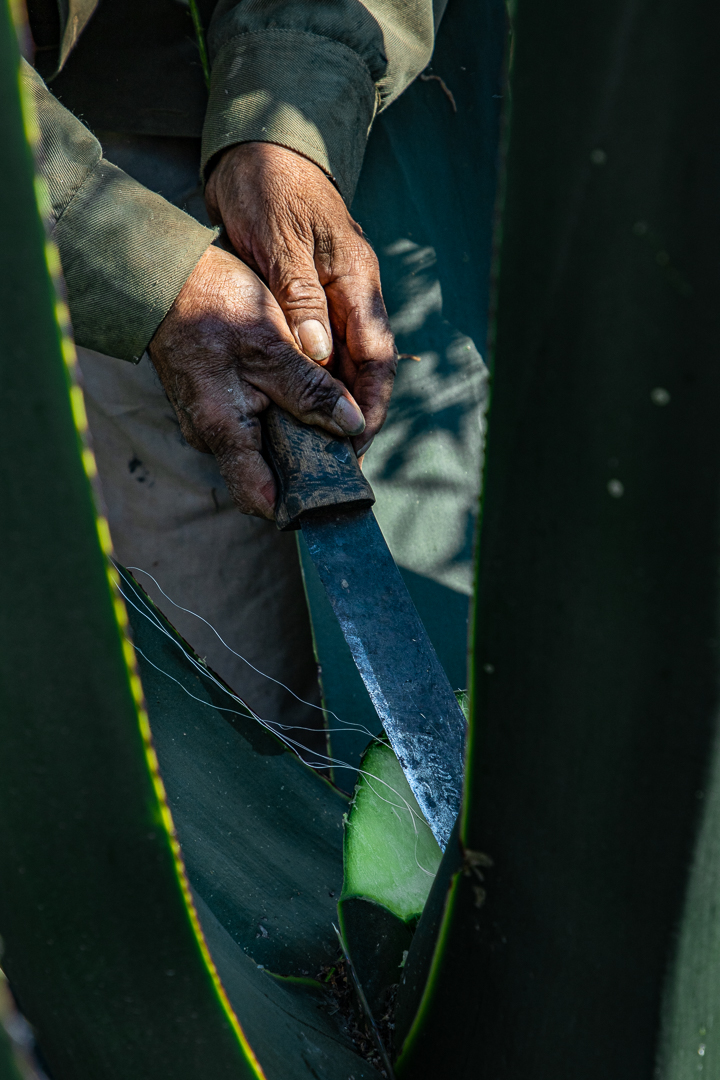
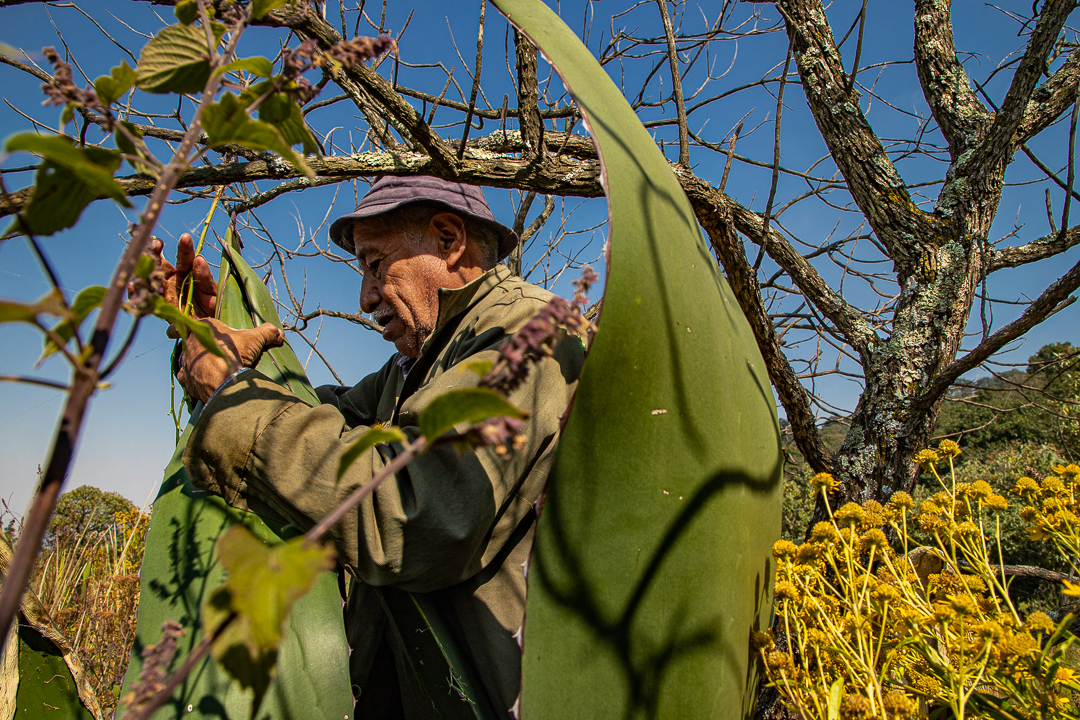
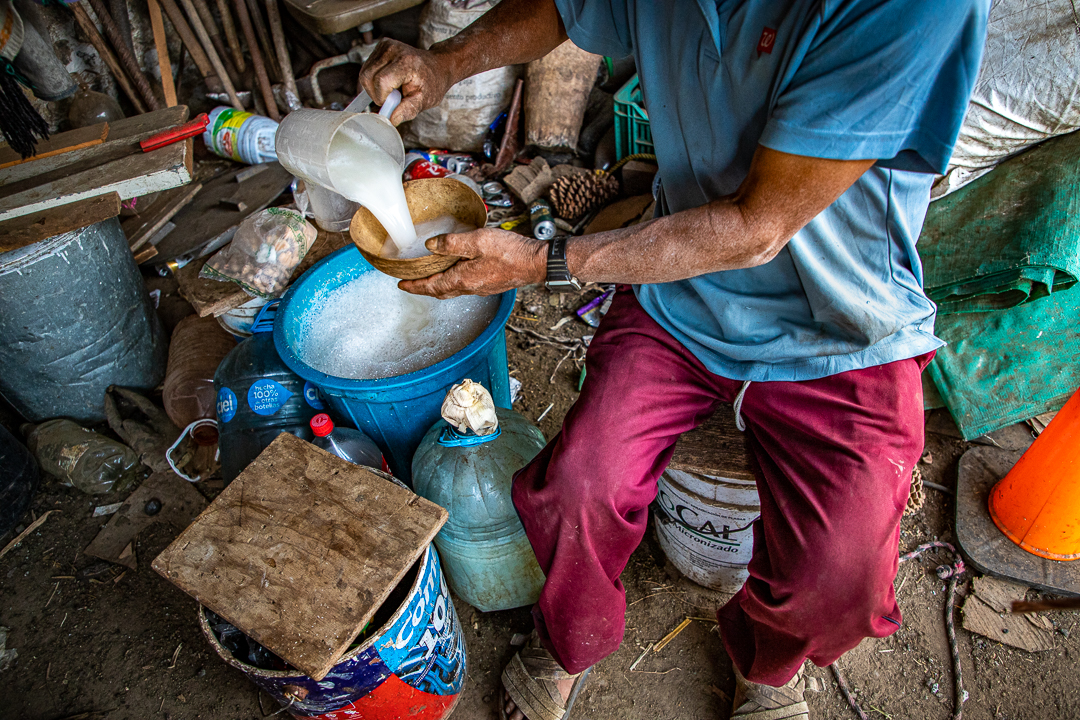
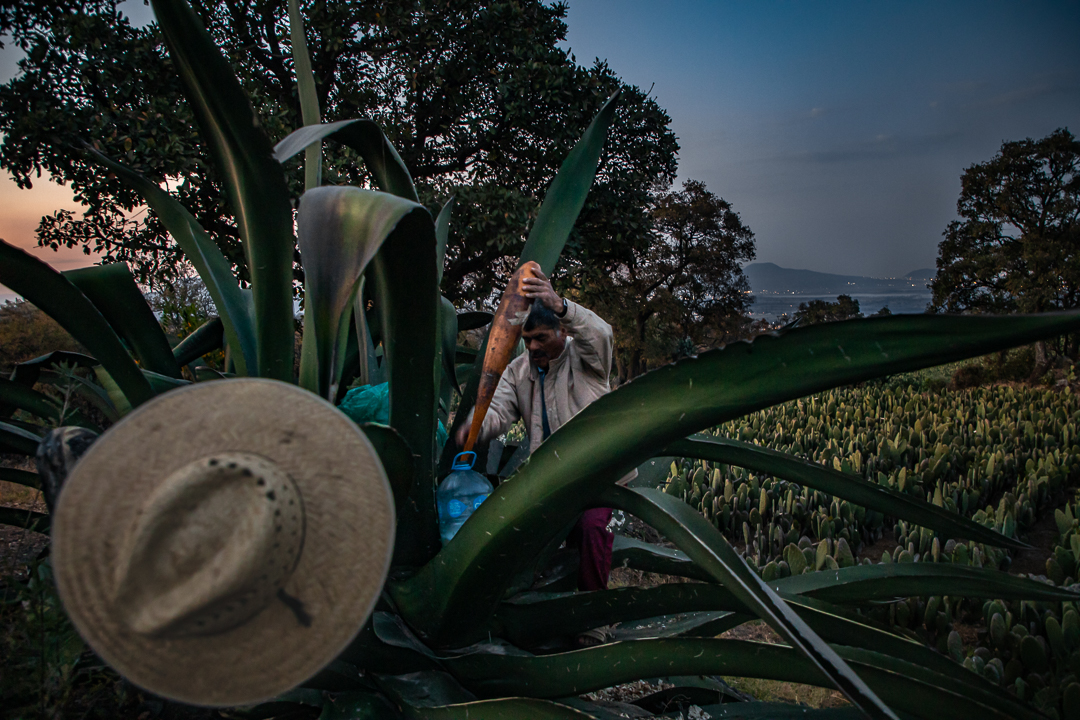
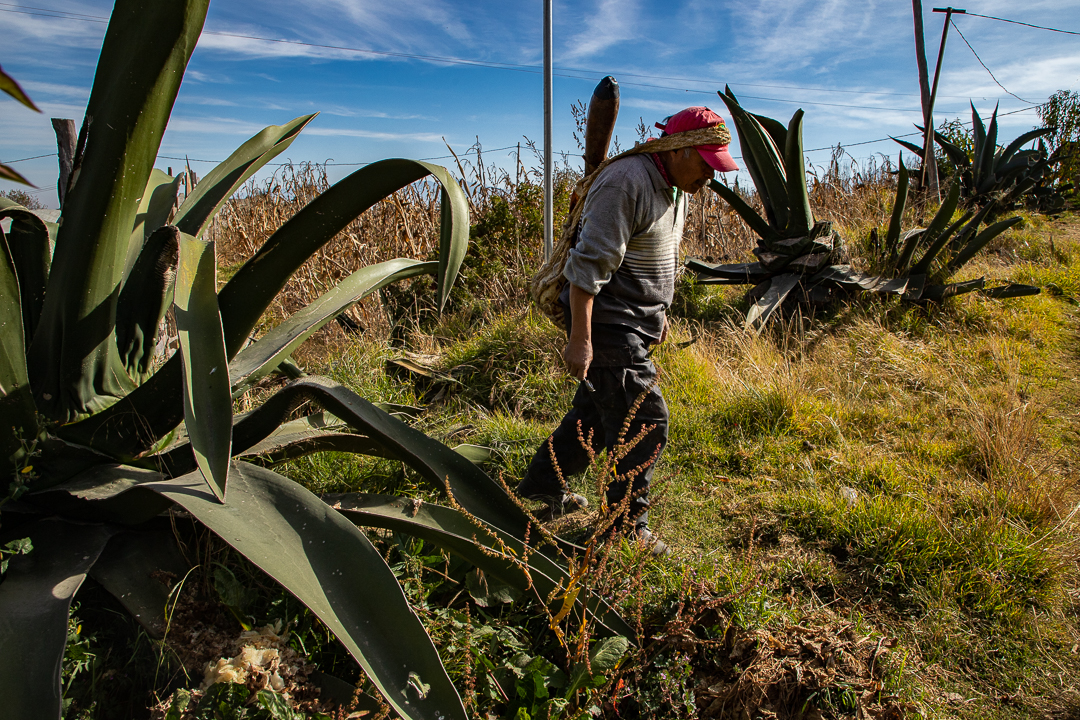
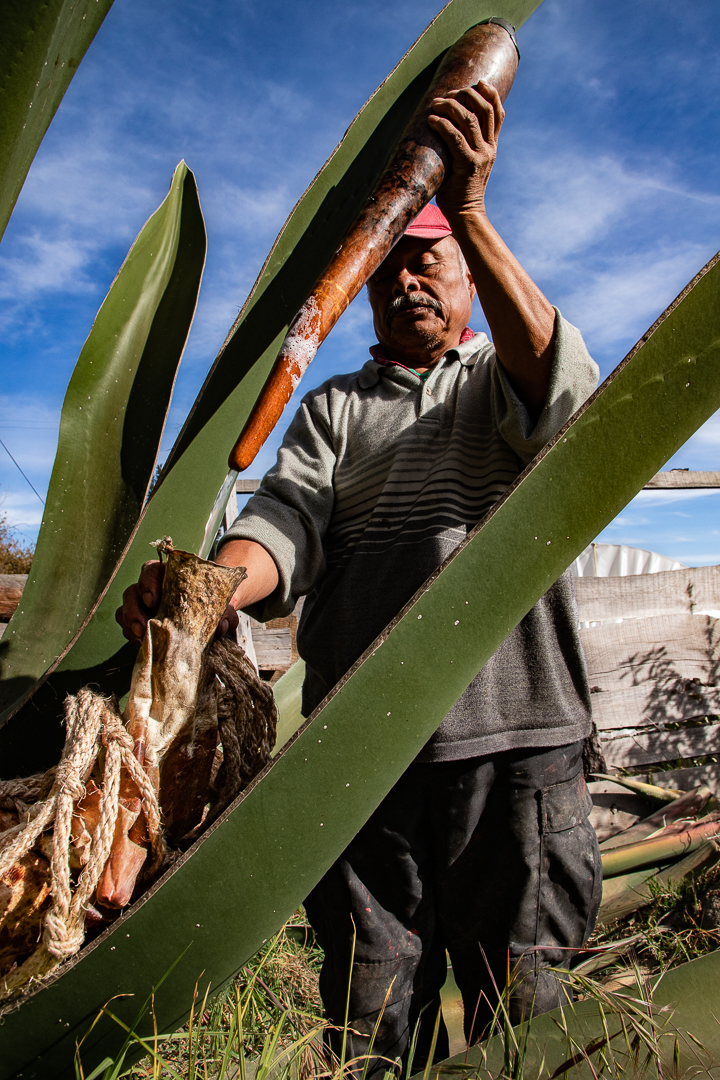
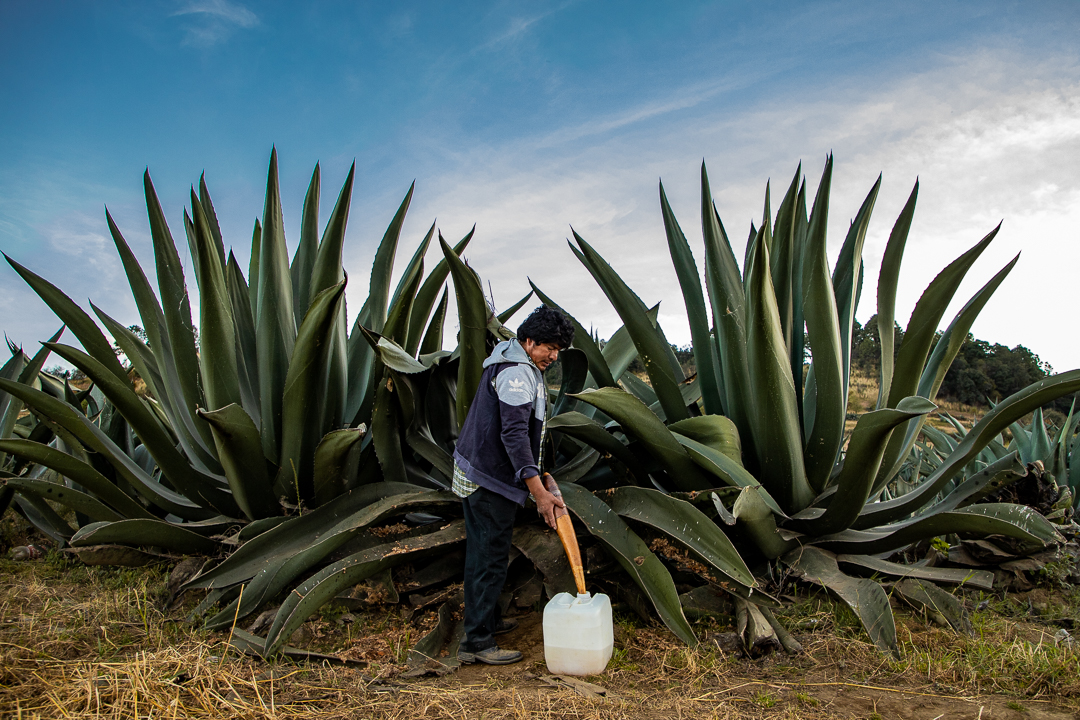
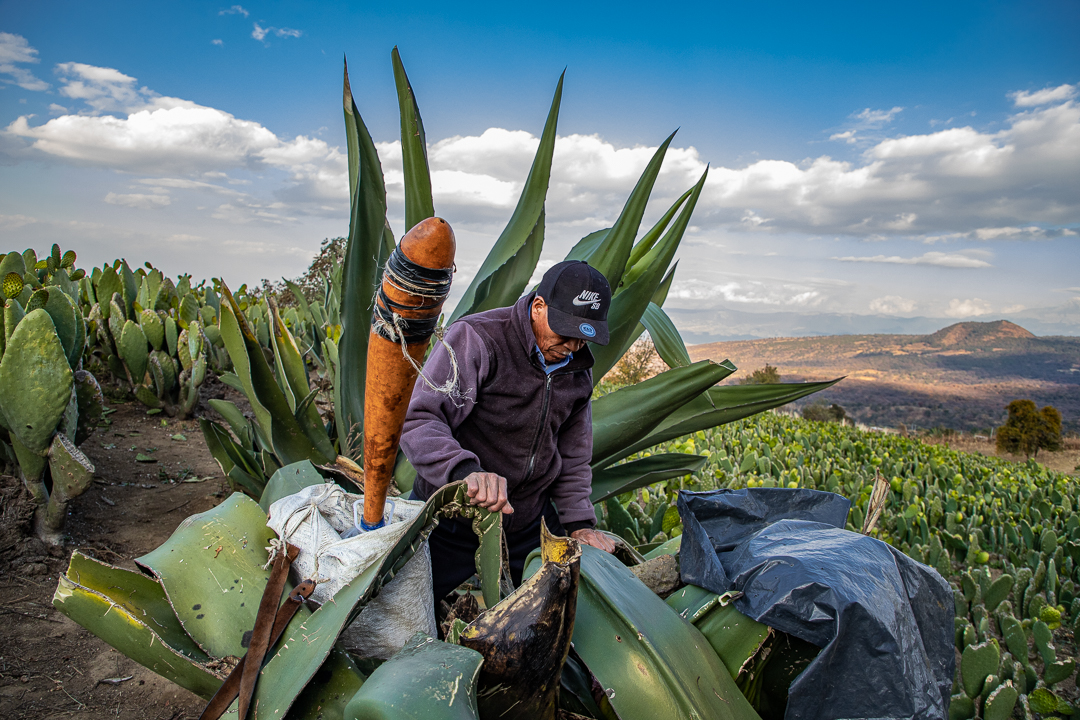
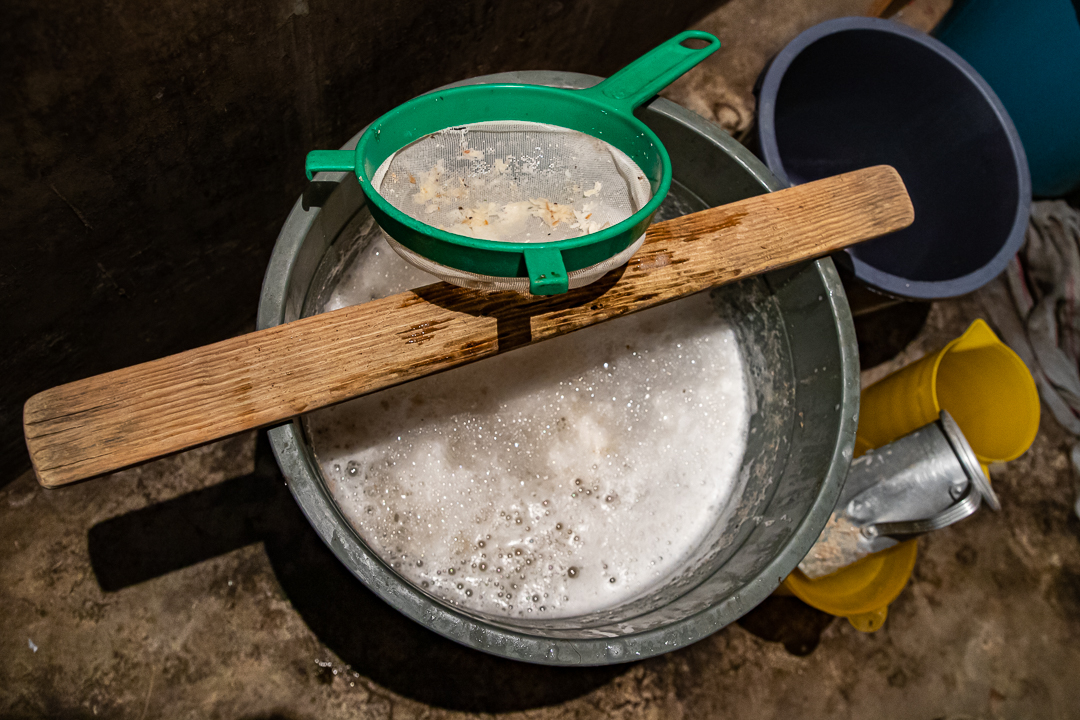
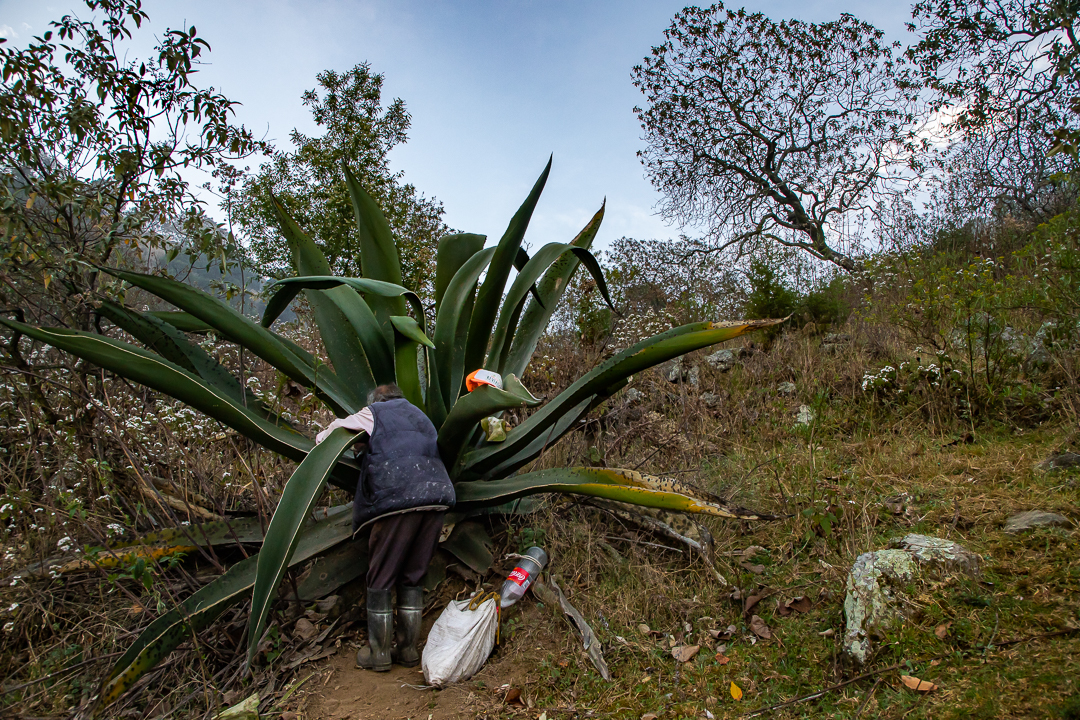
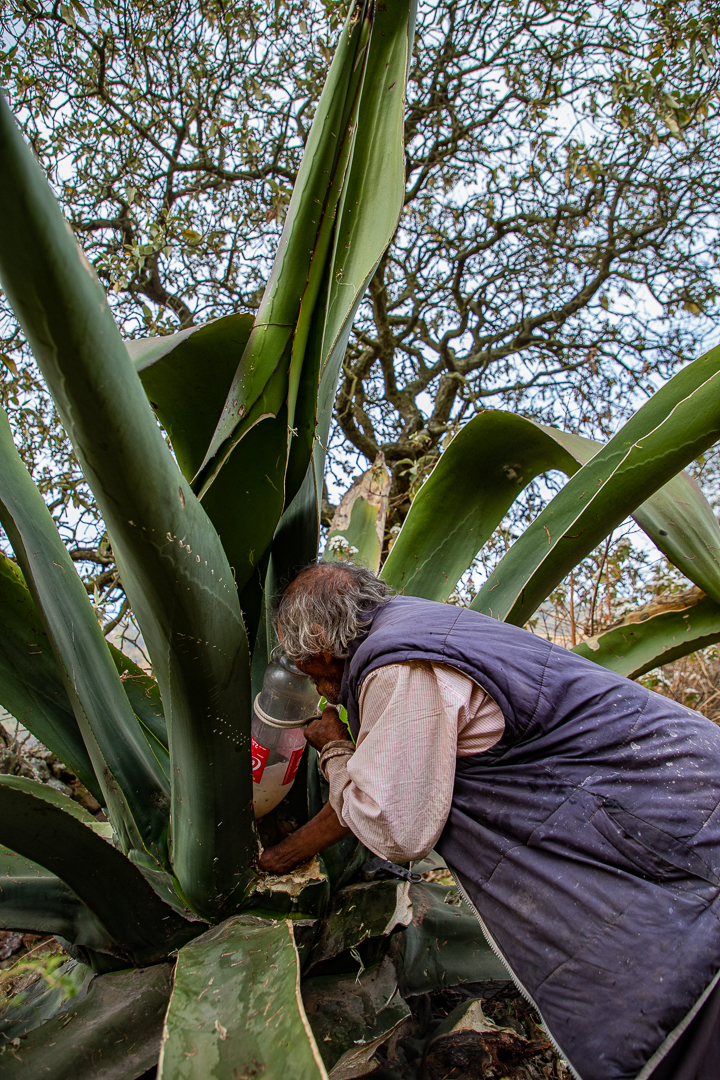
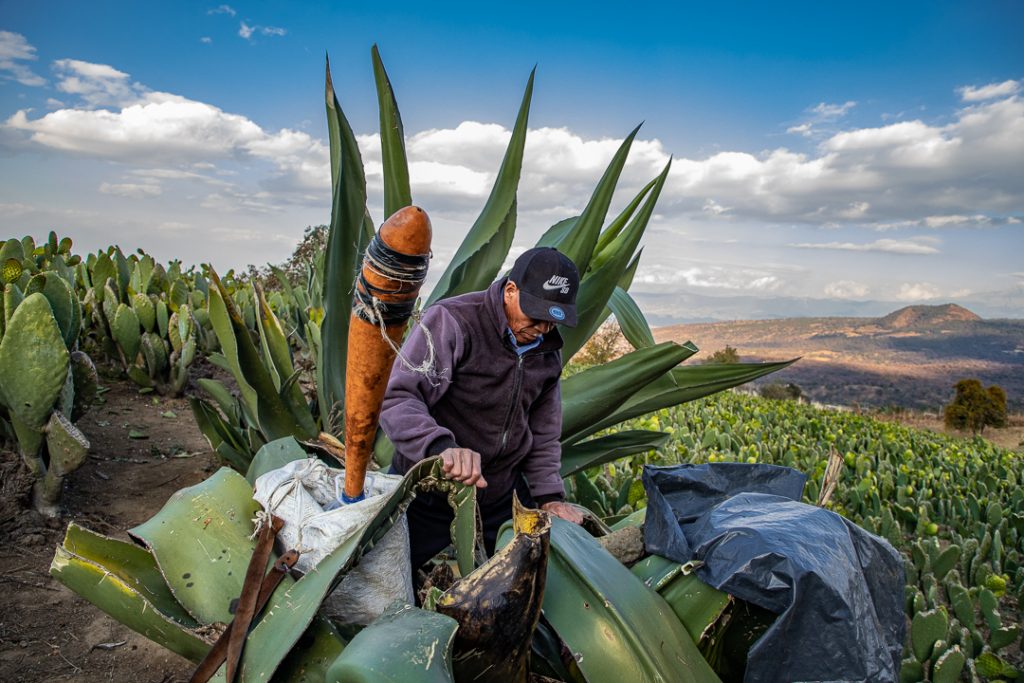
From the descriptions that a tlachiquero can give about the maguey, it would seem that he actually refers to a person. For a tlachiquero, the maguey does things typical of the people: he jumps, cries, listens, he has a face and a heart. “Das pulquito” they tell him, caressing his leaves, during the long years that he takes to cultivate them. "With your permission, I'm going to scratch you" or "thanks for the aguamielito", on the two daily occasions that they visit them to collect the aguamiel, their sap, or their tears, as they call it. They take care of their magueyes as if it were a herd. And the magueyes are there, in fact, in the middle of the field or on the edge of the milpa, like colossal green stars with a hundred thorns. Surrounded by herbs and flowers towards the end of summer. The leaves are swollen with sap and open like hands that offer the fullness of their dark flesh to the sun. Stoics. One look at them and then it makes sense to hear a tlachiquero say "there, as you see it, the maguey is like a person who is growing".
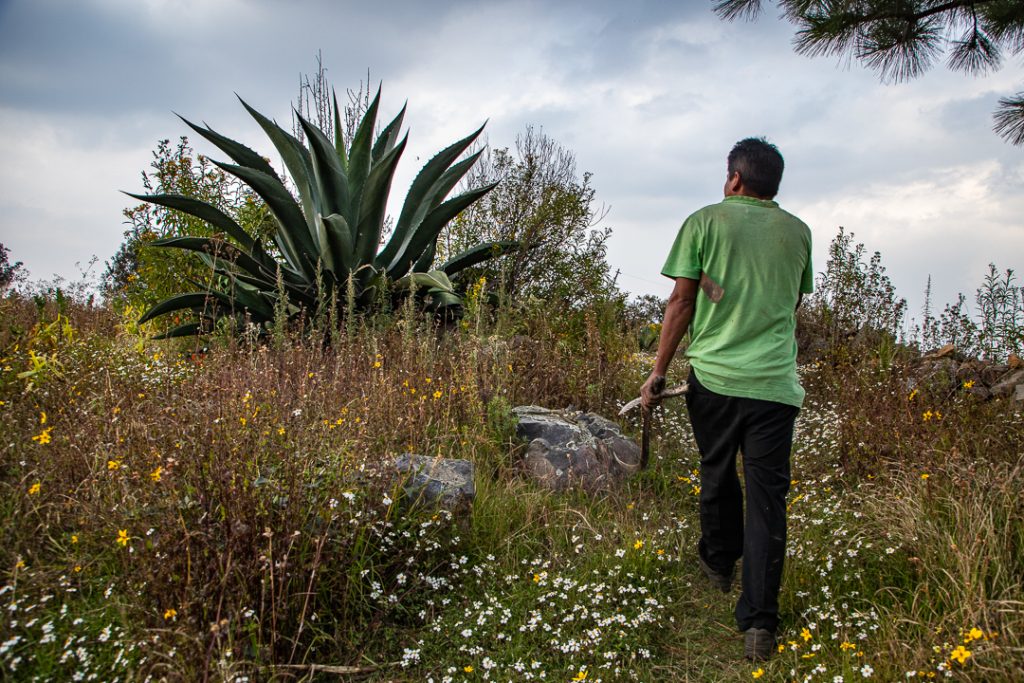
It takes about fifteen years for a maguey to grow until it reaches the moment of breaking its heart. Scraping its trunk to extract its sap will not take more than three or four months. After this, the plant will die. The same would happen if the tlachiquero decided not to break it. At the culminating point of its development, the maguey sheds an enormous stem from the middle of its leaves, topped by abundant yellow flowers, only to inevitably wither later. Each flower is plenty of seeds that are scattered across the field, as if the little magueys that sprout from under their leaves were not enough. "They are his little children" says the tlachiquero, and carefully removes them, airs them on the stones and when the moon is waxing he sows them with his face facing the morning sun.
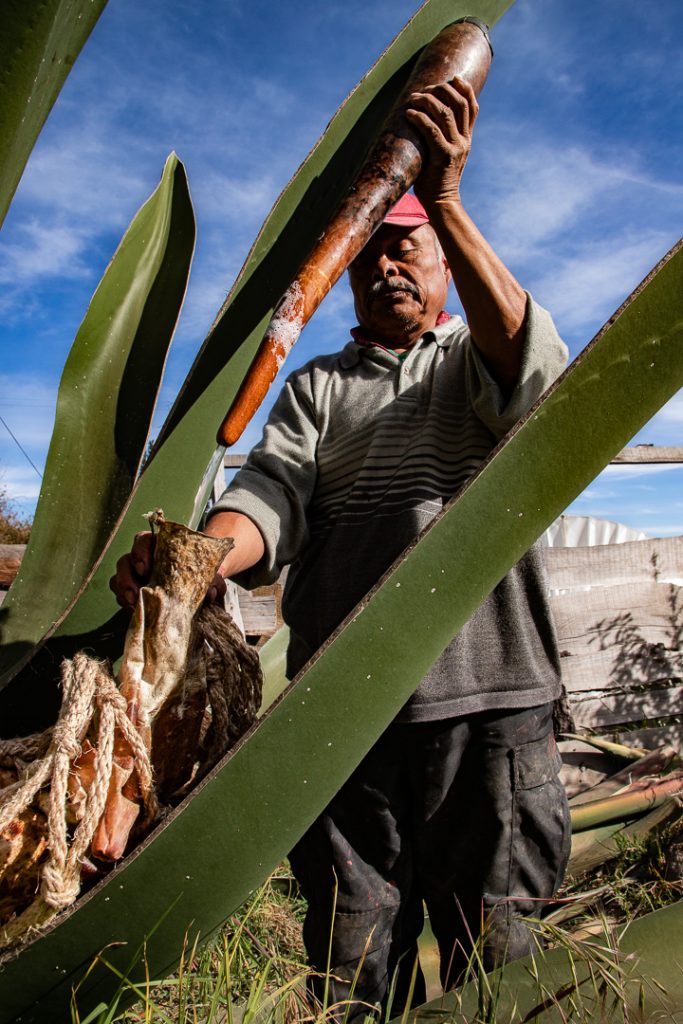
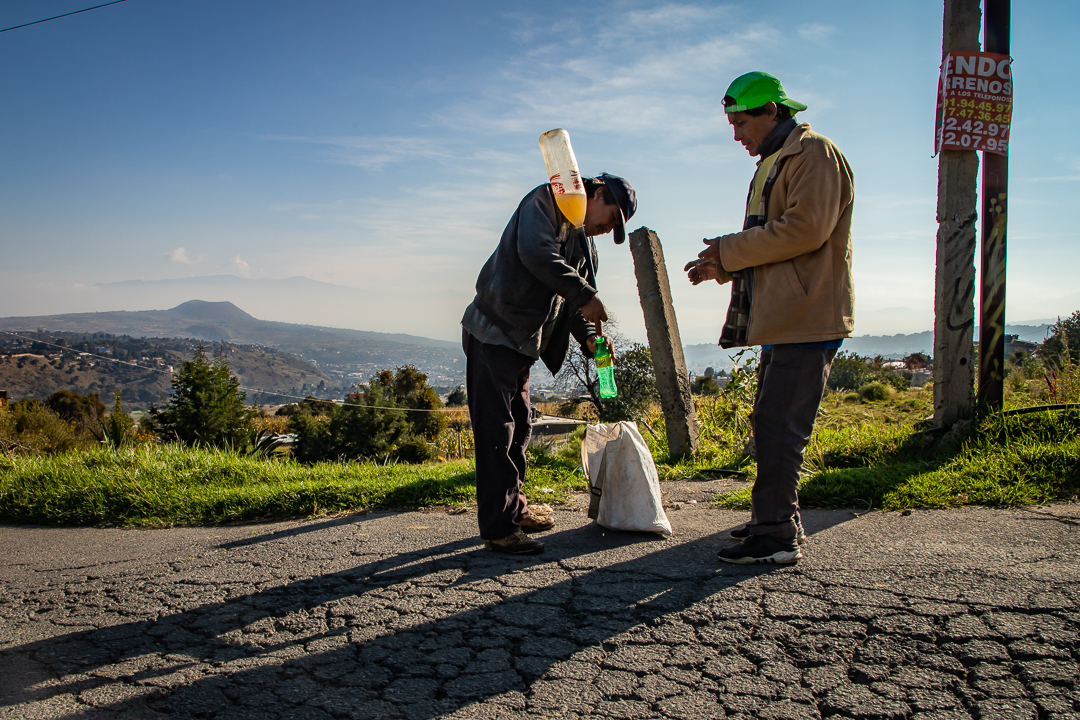
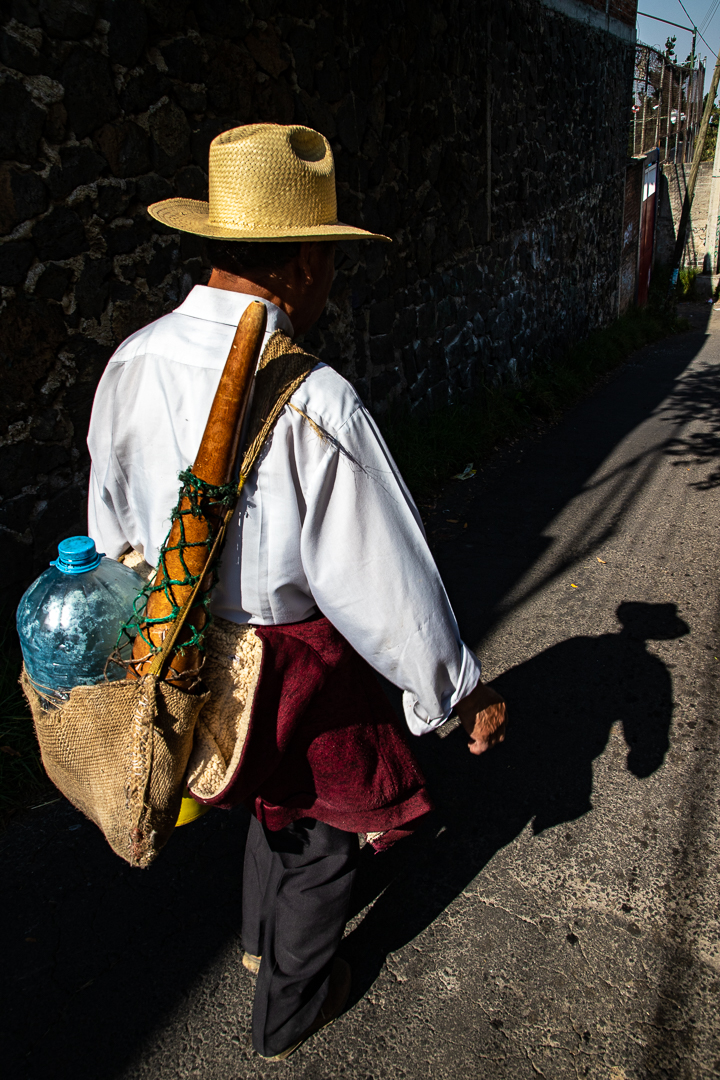
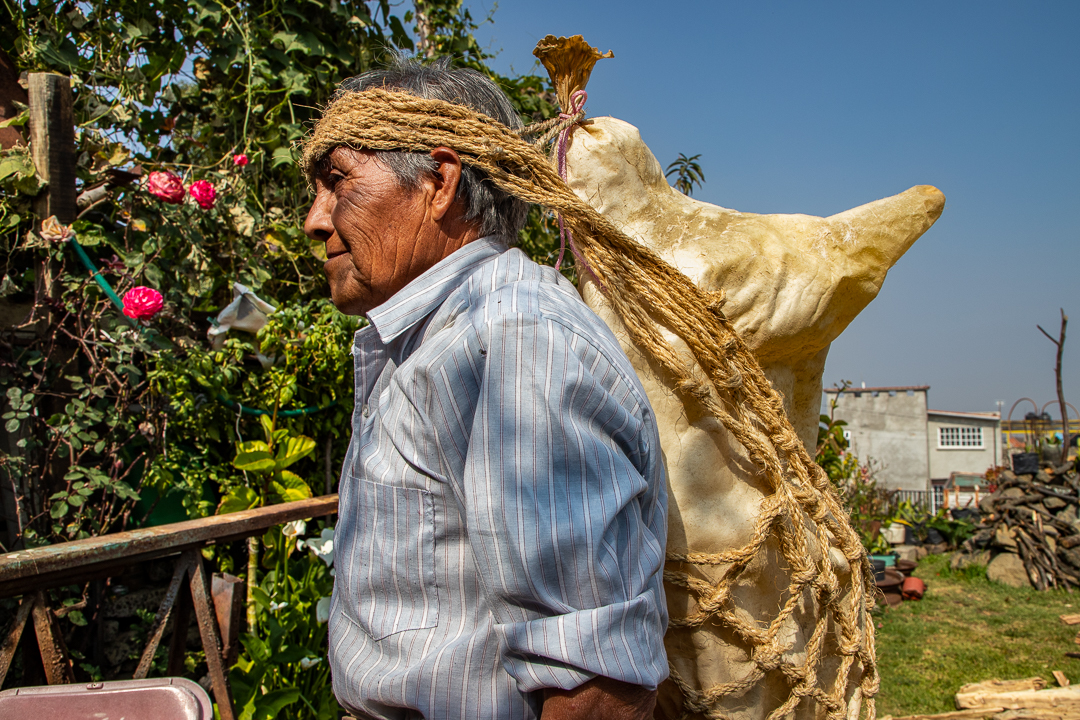
A day will come when all the magueyes grow their stems and the fields and mountains are filled with those flowers that look like perched birds in the afternoon. Not that there are many, but the tlachiqueros everyday are less. Half a century ago there were hundreds of families who lived by selling pulque to the many peasants and laborers who planted the mountains of Milpa Alta and its surroundings, in the south of Mexico City. Currently, there are less than fifty people who still practice this job, for nostalgia or for sustenance, distributed among twelve towns.